
Home
About
Browse Entries
Essays
Collections
Sets
Series
Companions
Sound and Science
A Database for Sources in the History of Acoustics
Home
About
Browse Entries
Essays
Collections
Sets
Series
Companions
Search the 2061 entries in the database!
Browse Entries
Search
Post Tag Search
Ear (0)
Military (0)
Musical Instrument (0)
Pipe Organ (0)
Recorder (0)
Tape (0)
Wire (0)
Entry Types
Database Item Types
All Post Types
People
Locations/Institutions
Texts
Artefacts
Images
Audio
Video
Areas of Study
(757)
Archaeology
(2)
Architecture
(61)
Biology
(75)
Communication
(139)
Comparative Musicology
(35)
Engineering
(134)
Environment
(62)
Geology
(2)
Instrument Making
(132)
Linguistics
(143)
Mathematics
(77)
Medicine
(94)
Musicology
(216)
Pedagogy
(9)
Phoniatry
(50)
Physics
(86)
Physiology
(69)
Planning
(59)
Psychoacoustics
(59)
Psychology
(39)
Featured Topics
(1,030)
Absorption
(2)
Animal Sounds
(61)
Communication
(137)
Description and Visualization
(69)
Disability and Impairment
(45)
Hearing and Listening
(340)
Measurement
(83)
Music
(235)
Noise
(207)
Notation
(22)
Perception
(43)
Performance
(34)
Pitch
(121)
Radio Broadcast
(69)
Recording
(298)
Reverberation and Echo
(23)
Rhythm
(7)
Signal Processing
(8)
Sound Analysis
(63)
Sound Photography
(23)
Speech and Phonetics
(168)
Telegraphy
(6)
Telephony
(39)
Ultrasound
(3)
Vibration
(56)
Instruments and Technologies
(343)
Acoustic Mirror
(3)
Anechoic Chamber
(1)
Bells
(2)
Harmonium
(2)
Harp
(1)
Keyboard
(8)
Loudspeaker
(32)
Microphone
(35)
Organ
(7)
Phonograph / phonograph record
(65)
Phonometer
(2)
Photophone
(1)
Radio
(59)
Resonator
(6)
Siren
(8)
Sound Spectrograph
(4)
Speaking arc
(3)
Strings
(3)
Synthesizer
(5)
Tape / tape recorder
(32)
Telegraph
(7)
Telephone
(39)
Tonometer
(6)
Tuning Forks
(86)
Violin
(1)
Key Materials
(79)
Aluminum
(3)
Bone
(2)
Brass
(49)
Copper
(1)
Glass
(4)
Iron
(1)
Ivory
(1)
Metal
(13)
Plastic
(1)
Pulp and Paper
(4)
Rubber
(5)
Skin
(1)
Steel
(4)
Vinyl
(1)
Wax
(2)
Wood
(20)
Sites of Knowledge
(780)
Academies and Societies
(295)
Archives and Museums
(184)
Companies and Industrial Laboratories
(41)
Hospitals and Medical Facilities
(25)
Institutes and University Laboratories
(118)
Marine and Underwater
(3)
Outdoors
(63)
Performance Spaces
(21)
Studios and Recording Spaces
(102)
Urban and Built Environments
(26)
Workshops
(80)
Reset
Date
Title
Found
Results
Found
Results
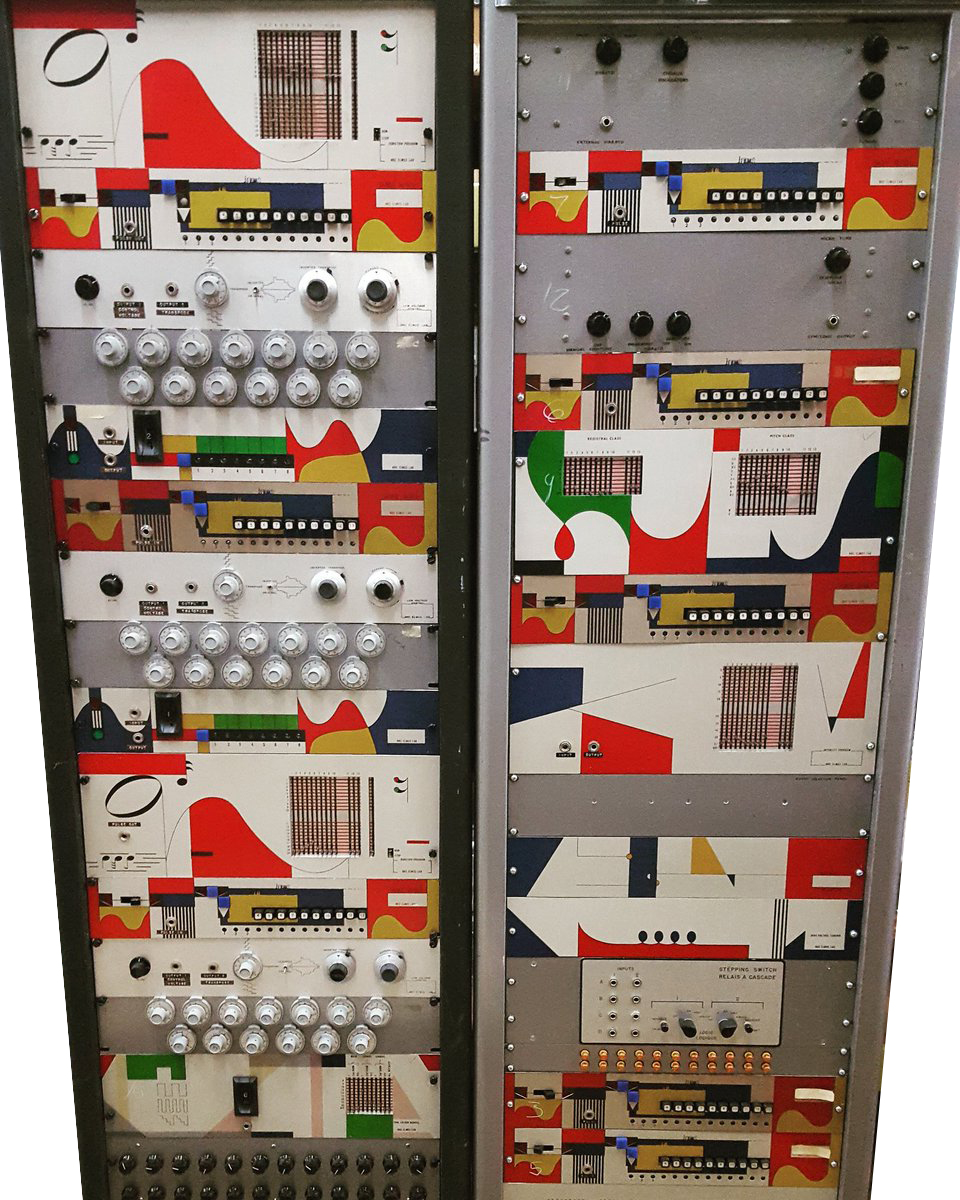
Serial Sound Structure Generator
The Serial Sound Structure Generator is a studio-oriented musical instrument designed by Canadian physicist Hugh Le Caine and built in the National Research Council of Canada’s [...]
artefacts
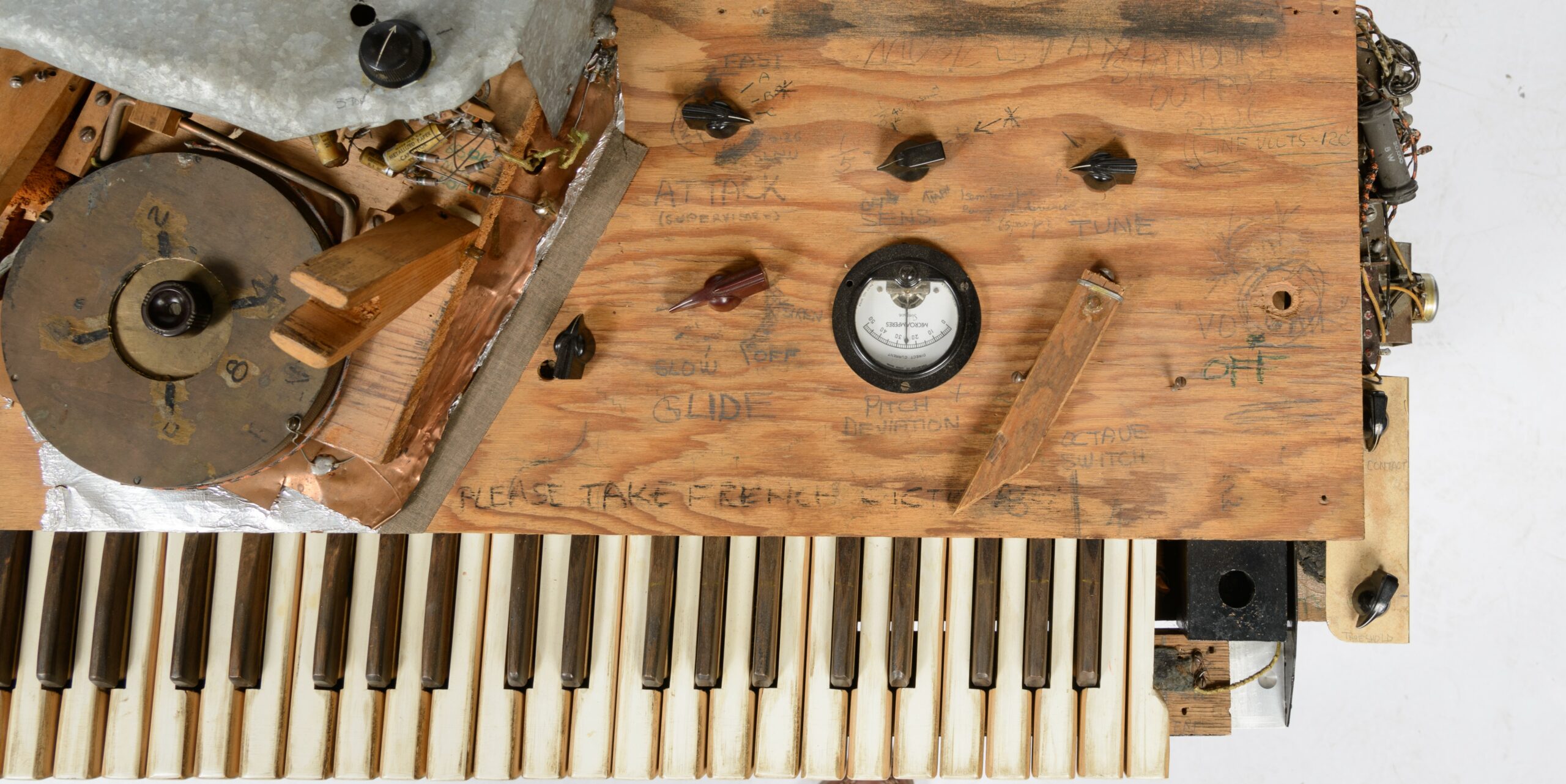
Midcentury Electronic Musical Instrument Design
The Hugh Le Caine Collection consists of twenty-two electronic music instruments and related artifacts representing Le Caine’s work as a physicist, instrument designer, and composer in [...]
collections
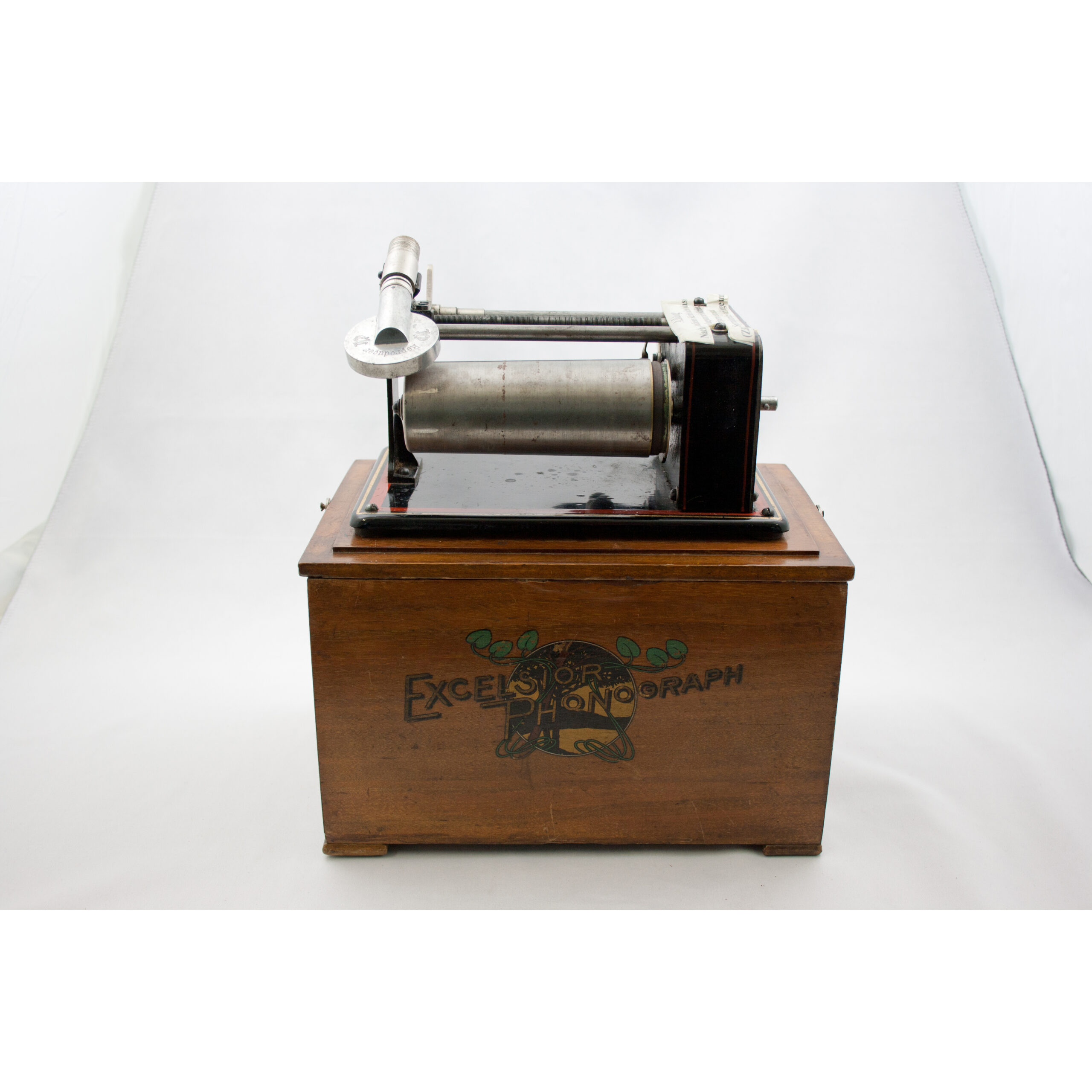
Excelsior Phonograph
This Excelsior phonograph is a model based on the Edison phonograph and produced by the Excelsiorwerke Cöln factory in Cologne, Germany, between 1903 and 1906. The [...]
artefacts
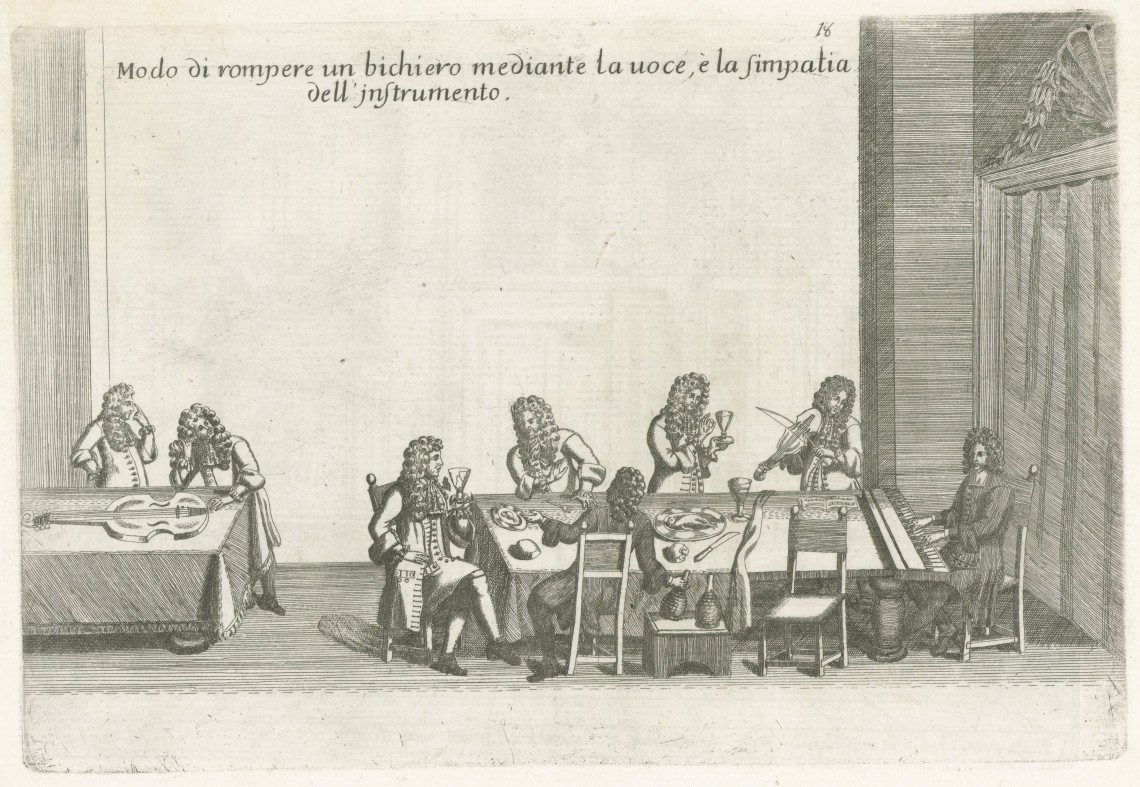
Breaking Glasses and Shattering Myths
Early modern science is often described as a visual endeavor, based on new strategies and technologies of visual observation. But a wide variety of sounds attracted [...]
essays
Noise Screen and Ghost Images
At Frankfurt Airport a large gray concrete wall dominates the area near the gate to the airport’s cargo facilities (Fig. 1). Cars, logistics vans, and employees [...]
essays
Temporalizing Space through Sound and Movement
In 1948, Günter Tembrock (1918–2011) established the Forschungsstätte für Tierpsychologie (Research Centre for Animal Psychology), which would become an important nexus for behavioral biology in the [...]
essays
Pierre Schaeffer’s Microphones (1942)
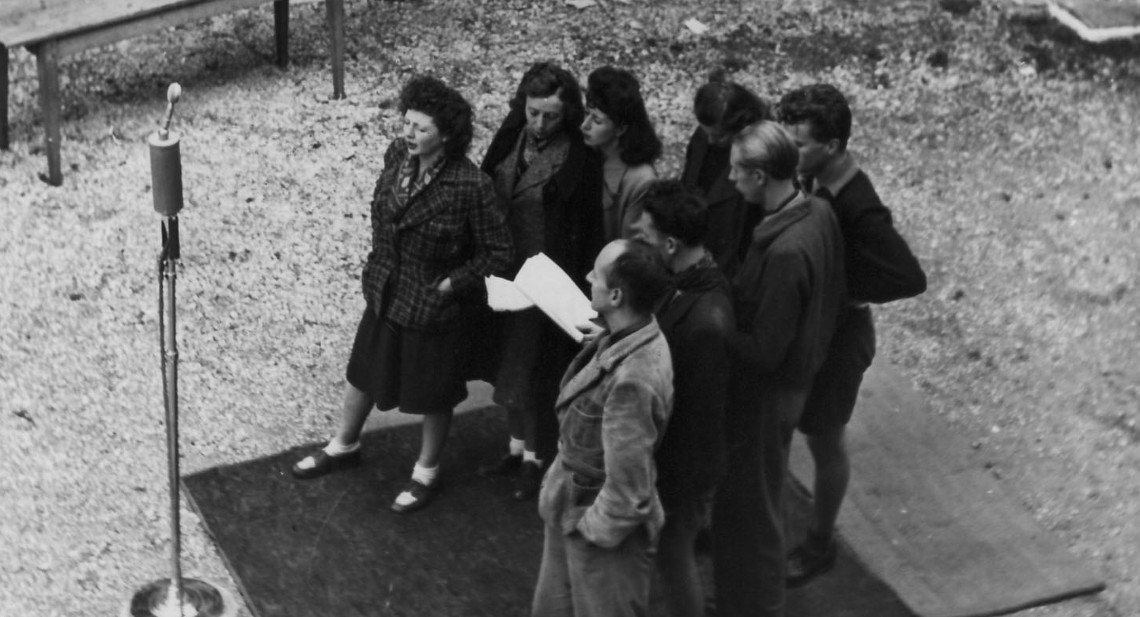
From mid-September to mid-October 1942, Pierre Schaeffer (32) and theater director Jacques Copeau (63) co-directed a training course in Beaune (Burgundy, France): young actors were trained [...]
essays
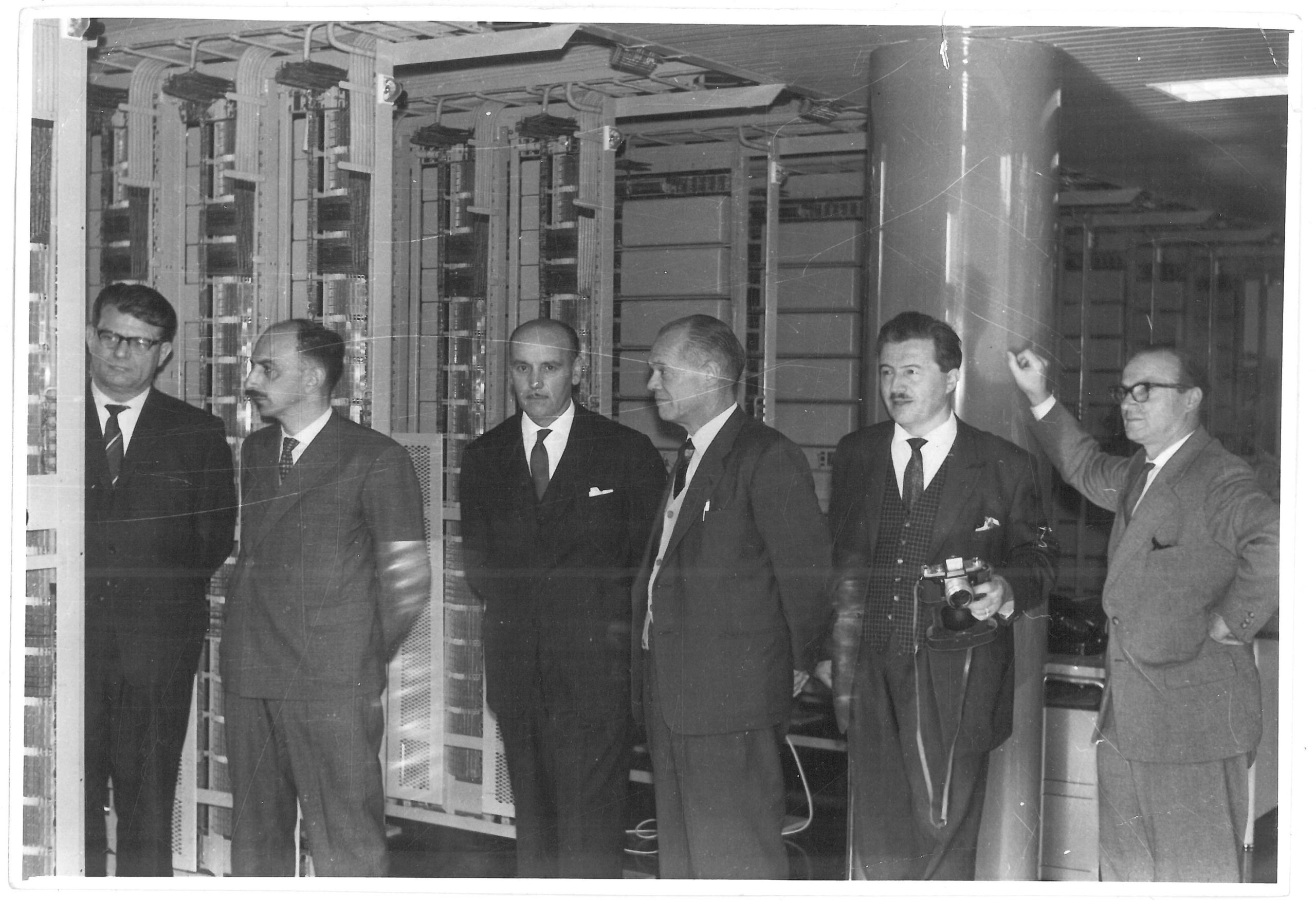
The AT&T Archives and History Center
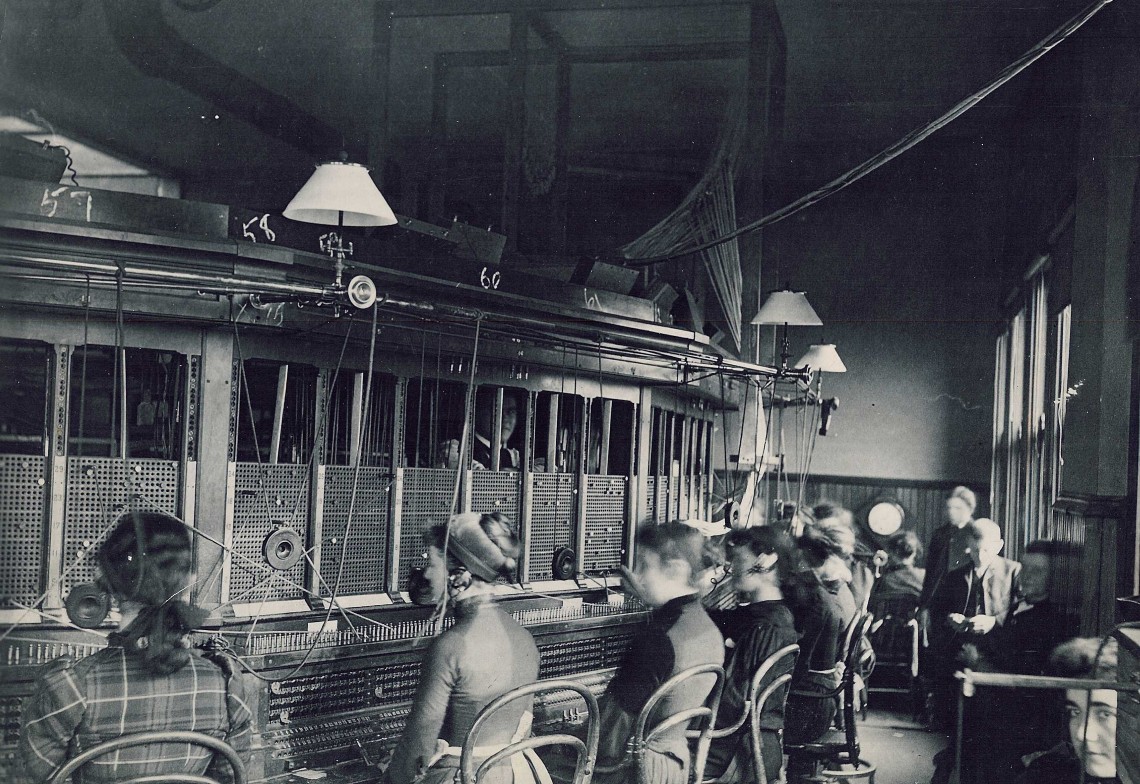
The AT&T Archives and History Center contains a sprawling collection of material from the company’s corporate and research activities extending back to the origins of the [...]
essays
Reconstructing a Studio
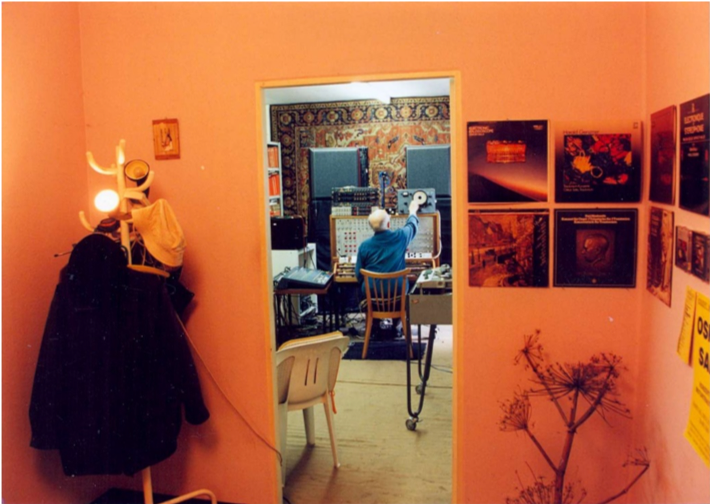
When the musician Oskar Sala, co-developer and only player of the electronic instrument Trautonium, died on February 26, 2002, aged ninety-one, he had long since settled [...]
essays
Large Sound Amplification Systems in Interwar Germany: Siemens and Telefunken
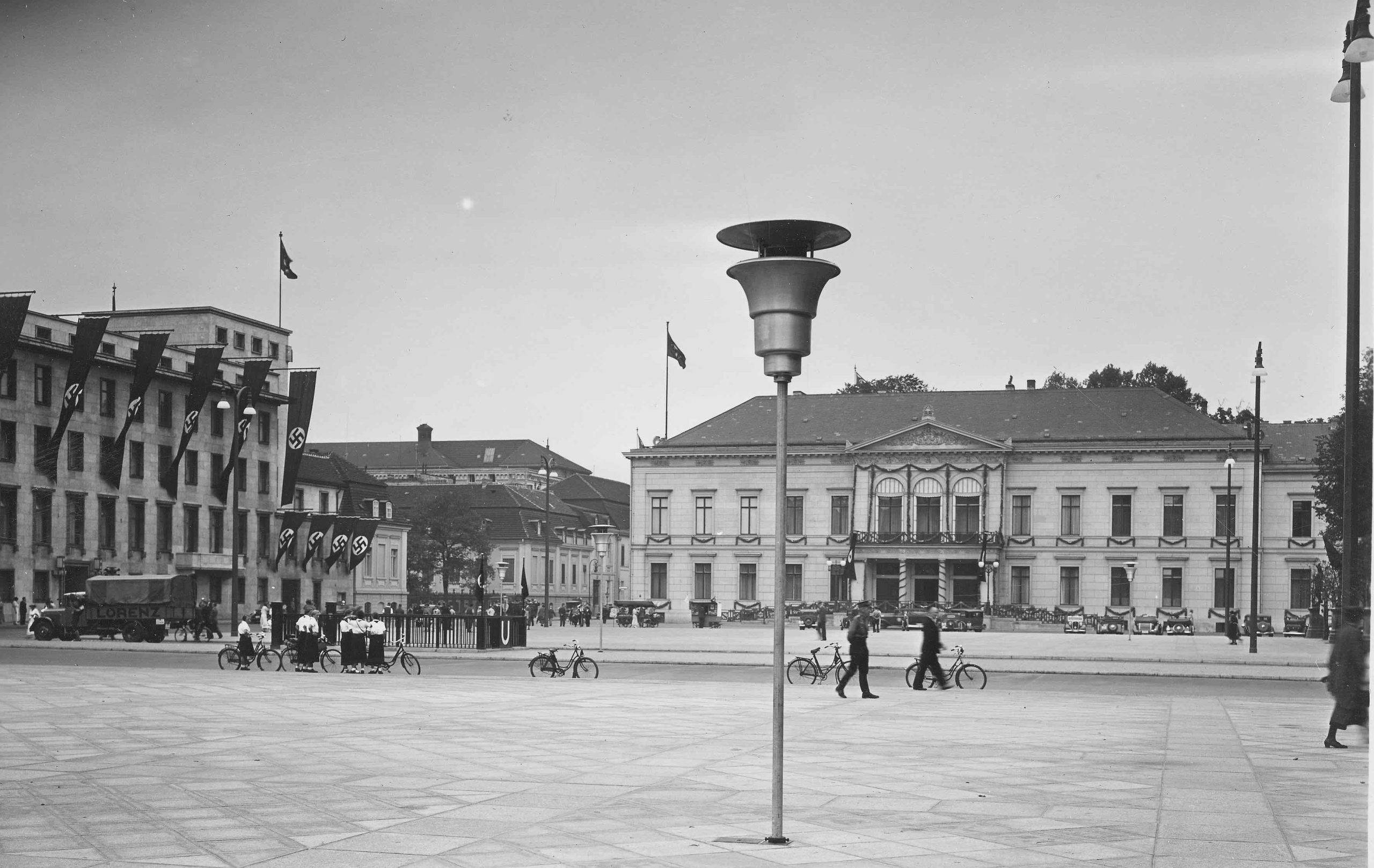
In the 1920s, electrical companies in Europe and North America started to develop large sound amplification systems for a variety of public spaces, such as public [...]
essays
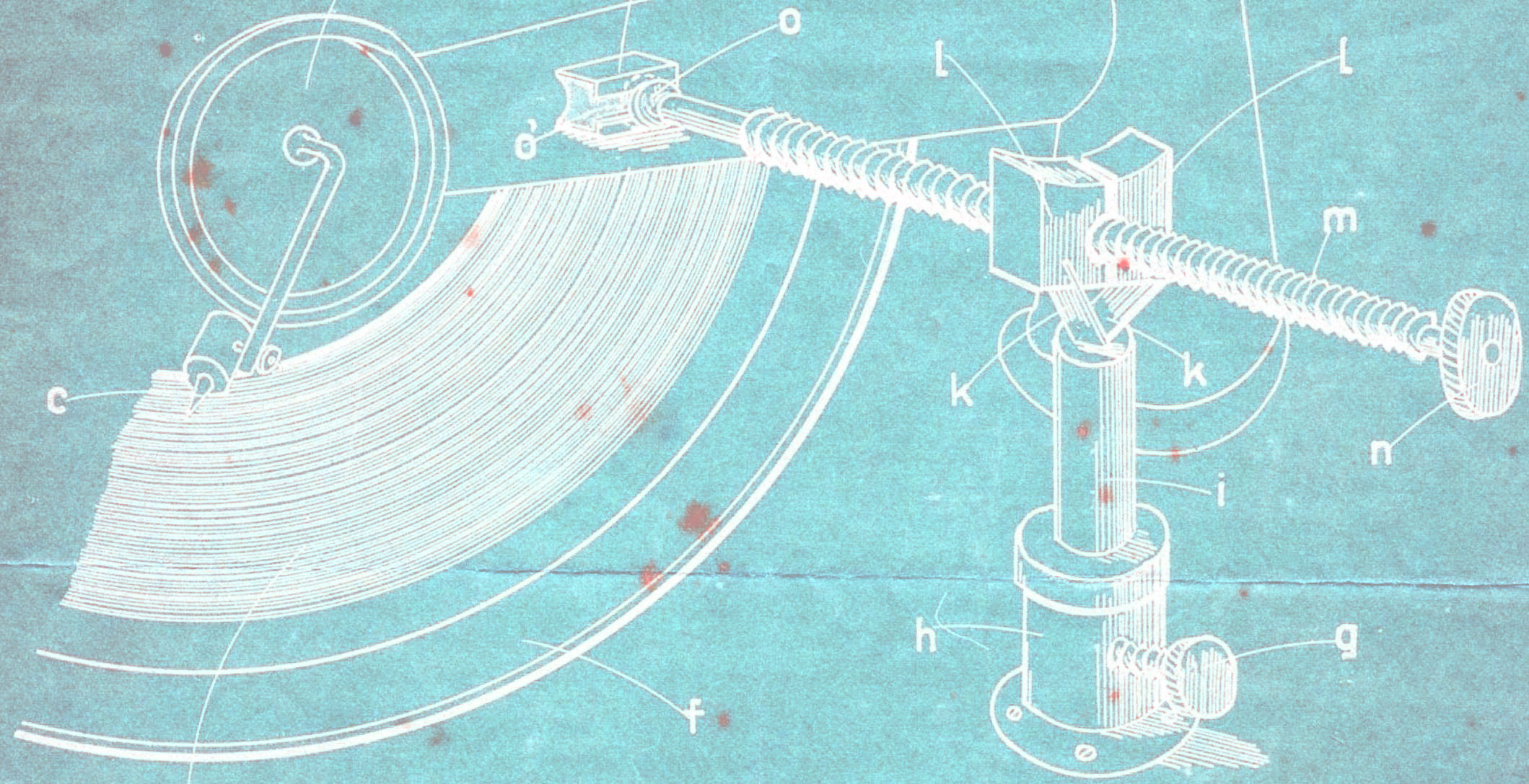
Anton Springer and the Time and Pitch Regulator
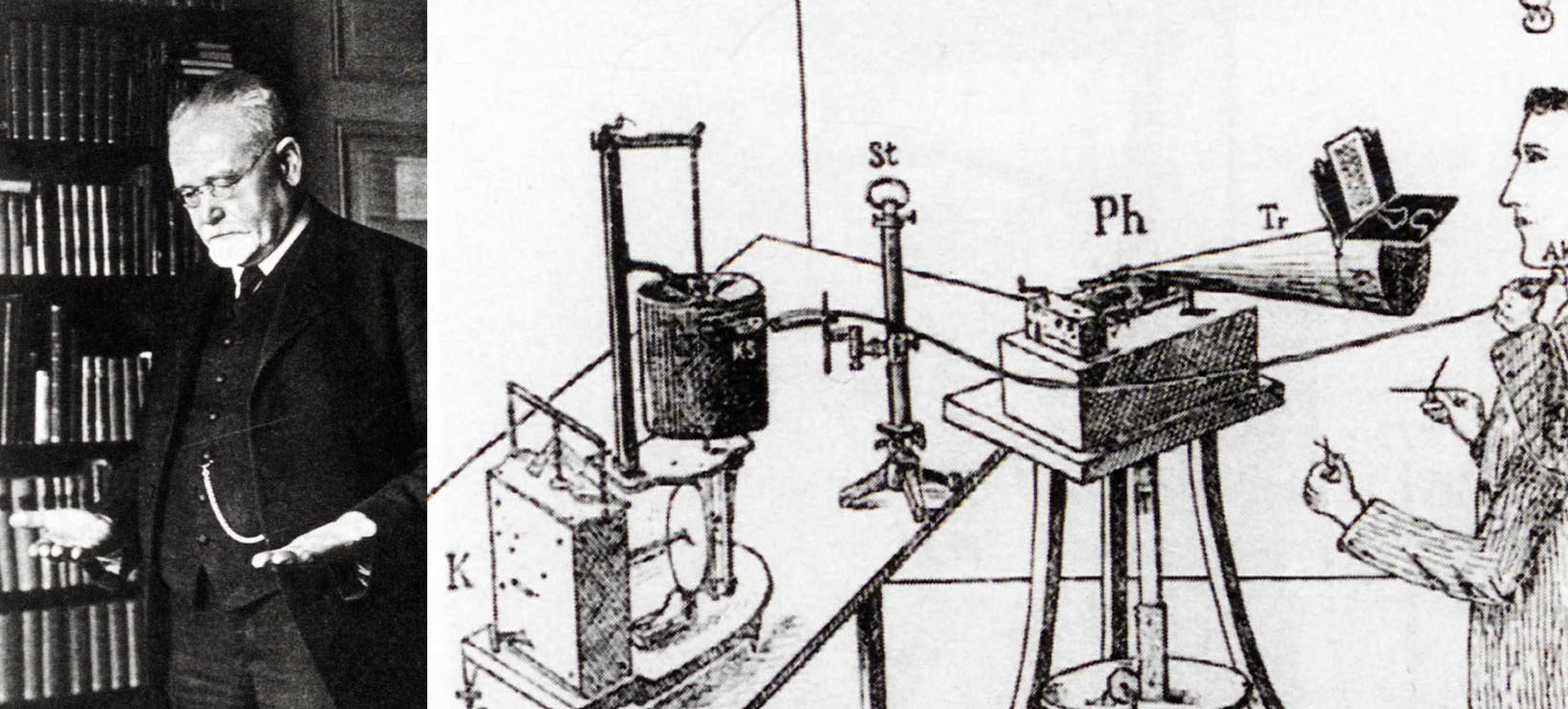
Since the beginnings of mechanical sound recording, playback rate and pitch were linked: increase the speed from the speed at which the sound was recorded and [...]
essays
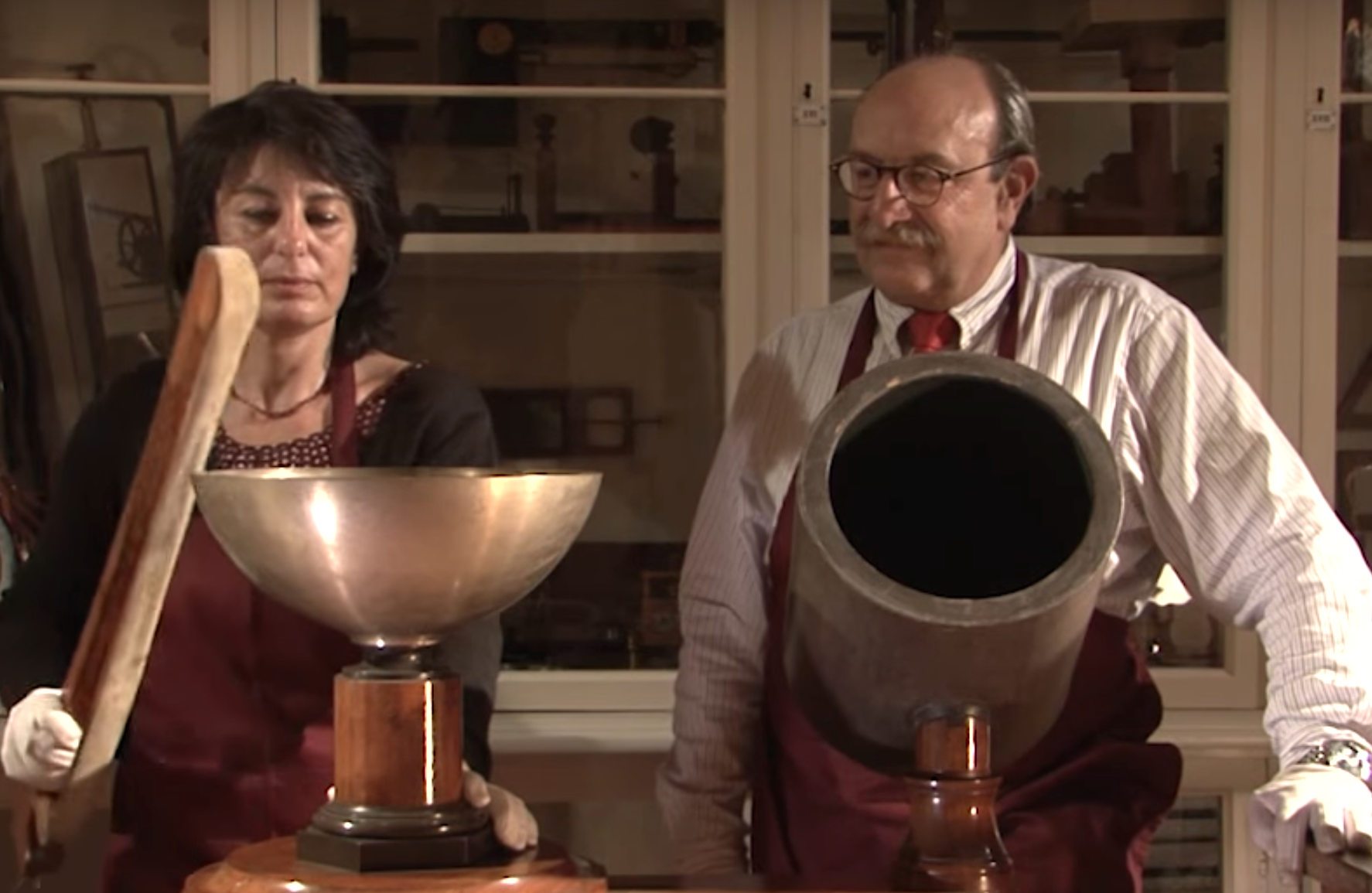
Nineteenth-Century Acoustics and Its Instruments: On the Method of Reenactment
The scientific instruments used for research and teaching in the nineteenth and early twentieth century are beautiful and fascinating artifacts. However, they are not self-explanatory, and [...]
essays
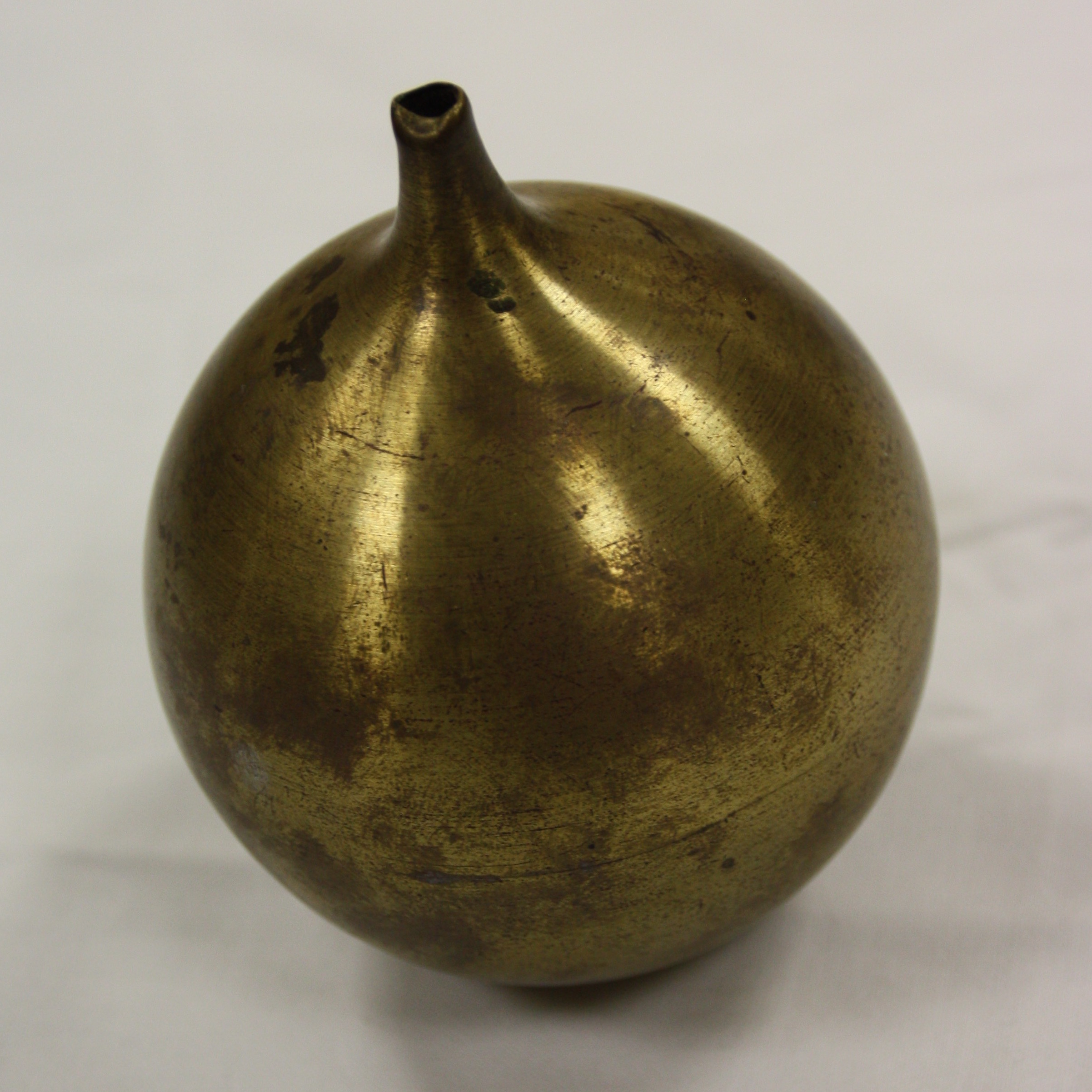
Variations on a Theme: The Movement of Acoustic Resonators through Multiple [...]
The spherical acoustic resonator was one of the foundational instruments of nineteenth-century physics, physiology, and psychology. There are still hundreds of historic examples hidden in museums [...]
essays
Listening to the Archive
This Special Issue of Technology and Culture asks how new technologies for recording and archiving sounds impacted on scientific research and academic infrastructures from the late nineteenth century on. [...]
companions
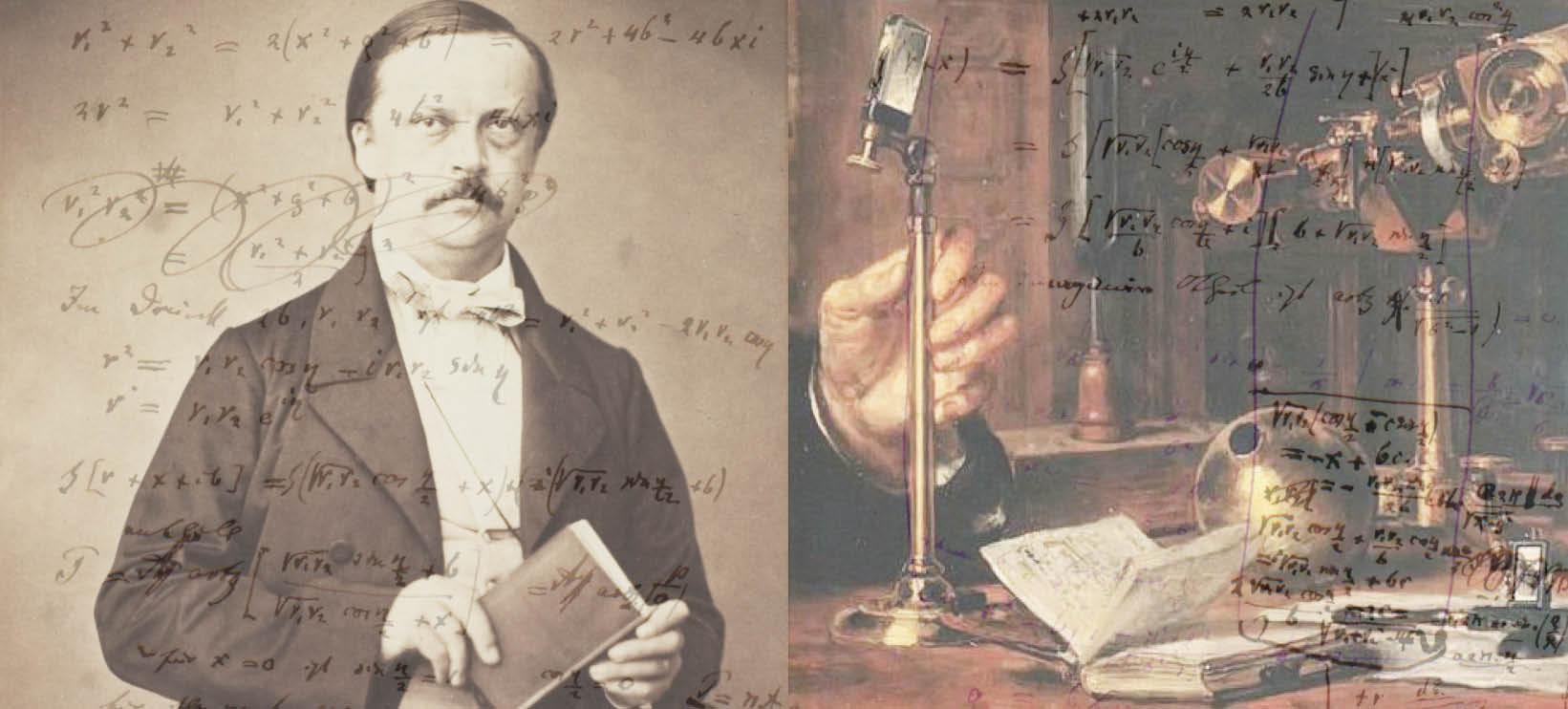
Teaching Acoustics: Hermann von Helmholtz’s Lecture Notebooks
For forty-five years, Hermann von Helmholtz taught physiology, anatomy, and physics at several universities. That included lectures on acoustics for physics students—a very different audience from [...]
essays
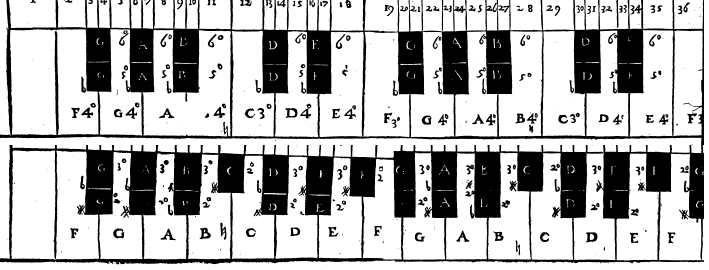
Microtonal Keyboard Instruments in Early Modern Europe
The standard interface of pianos, organs, and other keyboard instruments, with its pattern of twelve interlocking keys, is a compromise by design. The twelvefold division of [...]
essays
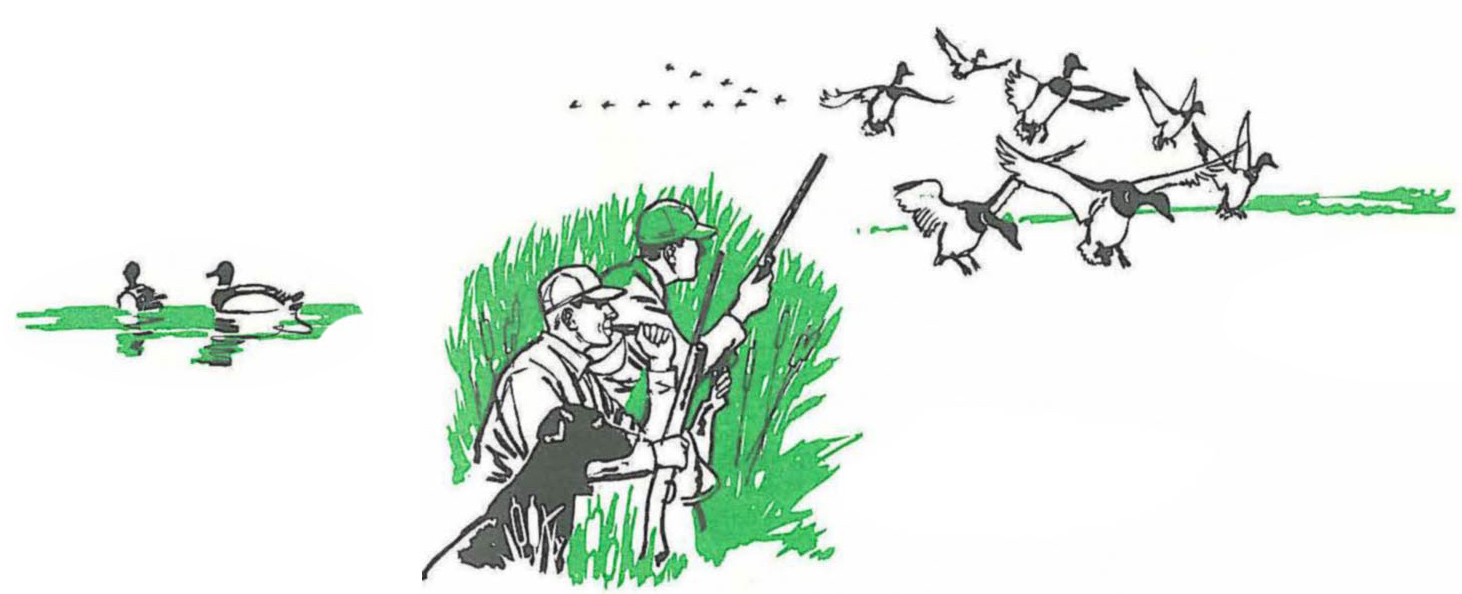
Mimicking the Voices of Nature
Early European settlers brought firearm technology to waterfowl hunting in the Americas. In the late eighteenth century, market hunting of the goose and duck flocks of [...]
essays
Sound Archiving and Discipline Formation in Berlin around 1900
Sound is ephemeral. For a long time, it escaped scientific scrutiny, and the invention of the phonograph in the 1870s was celebrated as a long-awaited research [...]
essays
Scientific Listening in the Field
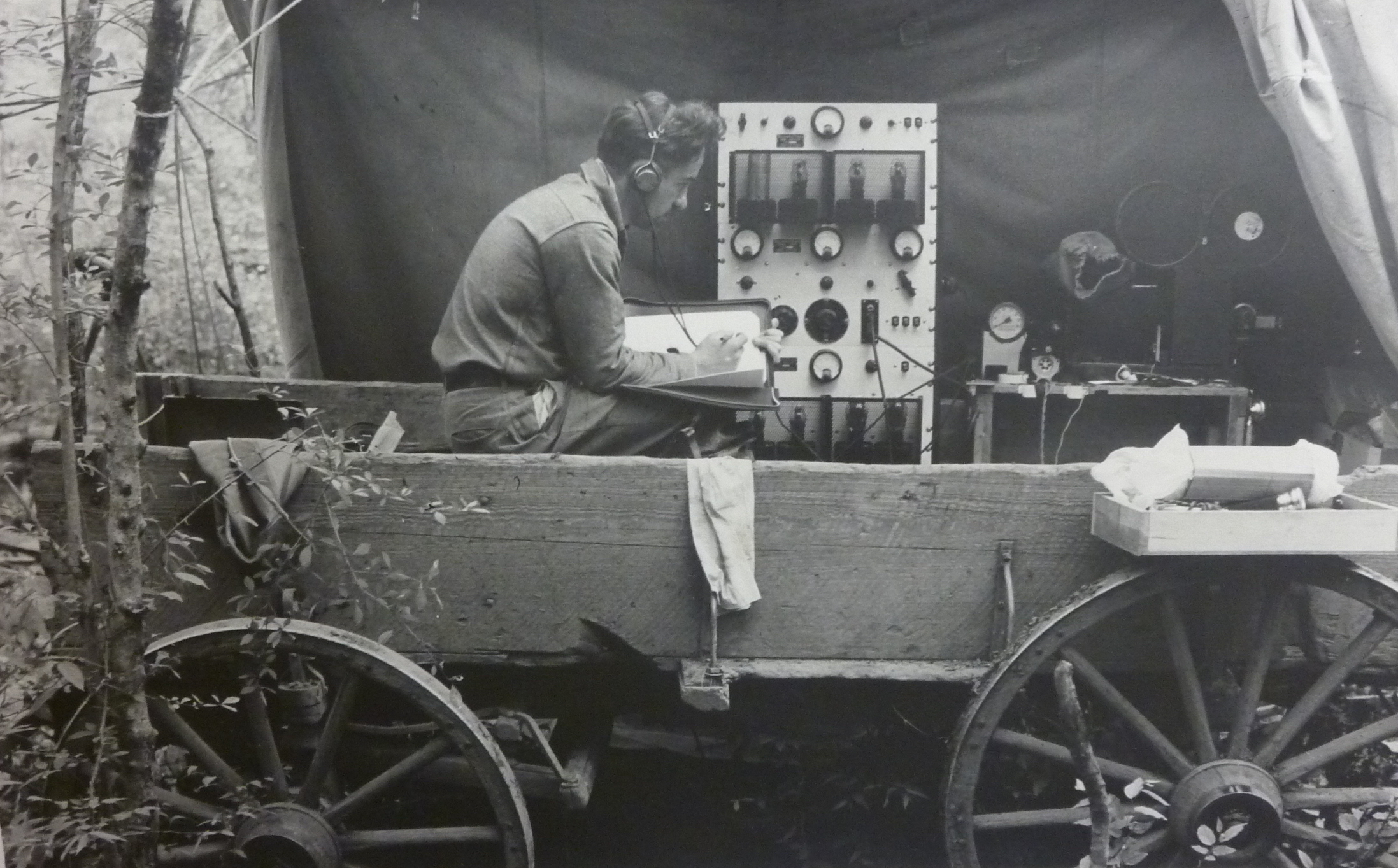
Chip-chip-chip-chwee-chwee-tissi-chooeeo! These nonsense syllables have traditionally been used to capture the simple Chaffinch song, often to the despair of both novice birdwatchers and expert ornithologists. It [...]
essays
The Promise of a Philology of the Ear
Around 1900, the Leipzig Germanist Eduard Sievers and his students gave new value to the auditory and phonetic aspects of written documents. With considerable methodological effort [...]
essays
A Sound Foundation
The Dutch Society for Acoustics (Nederlands Akoestisch Genootschap) received its current name in 1962, but was established as the Sound Foundation (Geluidstichting) in 1934. Right from [...]
essays
The Speaking and Singing Arc
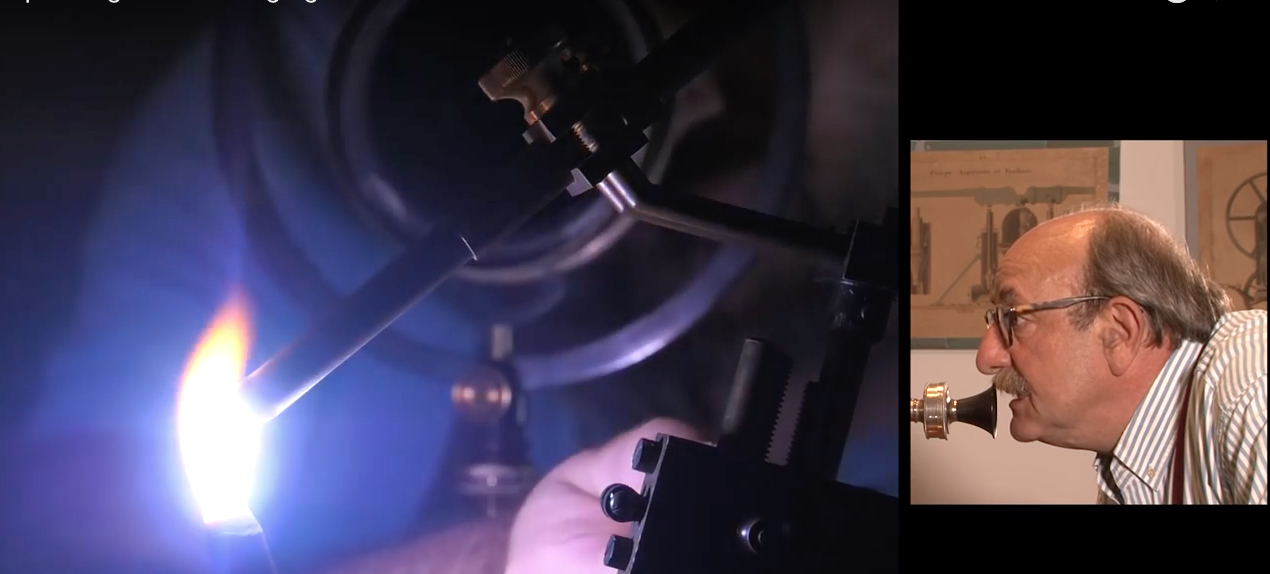
Experiments reenacted by Paolo Brenni, Anna Giatti, and Roland Wittje (film by Antonio Chiavacci) at the Fondazione Scienza e Tecnica in Florence, July 2016 Electroacoustics around 1900 The [...]
essays
« Previous
27 / 27
© 2015 – 2026 Humboldt-Universität zu Berlin